
Work With Me: Music Lessons
music lessons for adults and kids online and in Miami, fl
Personalized private and group music instruction in Miami-Dade and virtually — in a nurturing, pressure-free environment.
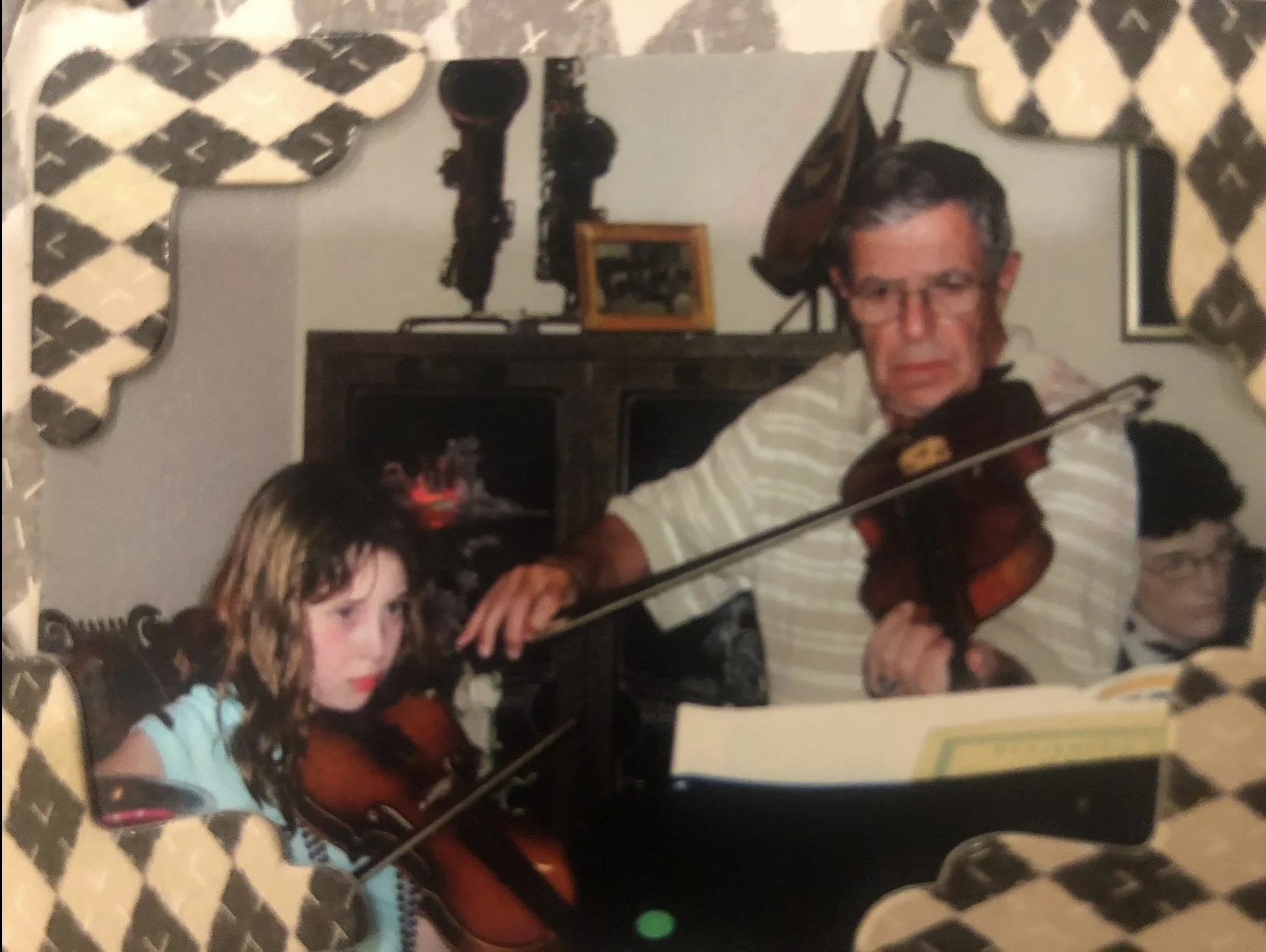
little me playing violin with my grandpa
personalized private music lessons in Miami
Music lessons were once a source of stress for me. The pressure to perform and the fear of failure made me dread each session. Despite my initial excitement for piano and violin lessons in elementary school, I struggled to practice regularly, partly due to undiagnosed ADHD and a lack of confidence amidst a whirlwind of other activities.
The constant question, "Did you practice?" became a dreaded moment of truth. do I lie or face the shame of admitting I hadn't? Years of struggling with the same tedious songs eventually led me to quit both piano and violin altogether.
Throughout high school and college, I explored different instruments and teachers, but my confidence as a musician remained fragile. It wasn't until I discovered a passion and talent for singing that I found my musical voice.
Reflecting on my journey, I realized the profound impact of teaching styles on my motivation and progress. Some teachers instilled fear and pressure, leading to self-doubt and tension. In contrast, those who offered gentle encouragement and praise nurtured my confidence and inspired me to excel.
I am deeply committed to a teaching approach that fosters love for music and celebrates individual progress. Unlike traditional methods that emphasize discipline and conformity, my philosophy revolves around praising small victories and cultivating a positive learning environment. This approach, akin to reverse psychology, empowers students to embrace music on their terms and motivates them to strive for excellence.
As a teacher, I strive to be the mentor I wish I had. an educator who understands the unique needs of each student and fosters their passion for music with patience and positivity.
Music lessons should not be one size fits all.
I teach at the student's pace and personalize the learning experience based on what they want to learn, not just what is traditionally taught. Whether you are just starting, want to learn a new skill, or are an experienced student musician, I will provide lessons suited to your needs and goals.
I am experienced in preparing vocal students for college auditions, show auditions, and performance opportunities.
Building confidence through music
Find your potential with the best online and in-person music lessons
The joy of music goes hand in hand with building self-confidence and self-esteem. These lessons are designed for students of any level — whether learning to play instruments, developing their singing voice, or enhancing stage performance skills.
Through personalized instruction and supportive teaching styles, students gain not only technical ability but also the boldness to perform with confidence in front of others.
Music learning is friendly and accessible for both beginners and experienced musicians — ensuring consistent growth and lasting improvements in self-esteem.
Piano
From beginner to advanced, lessons are personalized to your goals — whether that's classical repertoire, pop songs, or just playing for fun.
Voice
Vocal lessons for all levels, including audition prep for college programs, musicals, and professional performance opportunities.
Guitar
Acoustic and electric guitar in a supportive, pressure-free environment — focused on what you actually want to play.
Not sure which instrument?
General music lessons explore multiple instruments and help you find what resonates. A great place to start for beginners of any age.
Let's connect
Ready to find your musical voice?
Virtual lessons and in-person lessons in Miami are available for students of all ages and levels. I'd love to find the right fit for you.
Contact mebut which instrument should I choose???
Find Your Potential with the Best Online and in person Music Lessons for Confidence
The joy of music goes hand in hand with building self-confidence and self-esteem through the Best Online and in person Music Lessons for Confidence. These lessons are designed for students of any level—whether learning to play instruments, developing their singing voice, or enhancing stage performance skills—all from the comfort of home.
I provide the Best Online Music Lessons for Confidence, students feel supported and motivated through personalized instruction and teaching styles. They gain not only technical ability but also the boldness to perform with confidence in front of others.
These lessons make music learning friendly and accessible for both beginners and experienced musicians. our music lessons ensure consistent growth and lasting improvements in self-esteem.
contact me to discuss virtual music lessons or in-person music lessons at home or school in miami, fl